Celebrating Black History Month
- Filed under "education"
- Published Monday, February 16, 2026
- « back to articles
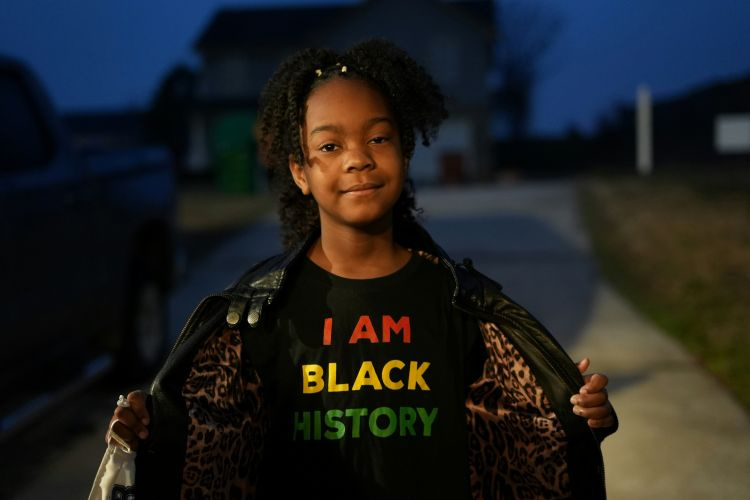
It’s February – a time when many are restless for spring or planning a special Valentine’s Day. As you know, it’s also Black History Month, with this year marking its 100th year in recognizing the contributions of Black Americans and address systemic racism. Originally entitled “Negro History Week” in 1926 to commemorate the birthdays of Frederick Douglass and Abraham Lincoln, it was expanded to a month-long celebration in 1976.
Several events in Iowa’s history can be included in any Black History Month conversation, including:
- The first successful school desegregation case, Clark v. Board of Directors, was decided by the Iowa Supreme Court. As a result, Iowa schools desegregated early in 1868
- Iowa was one of the first states in the union to legalize interracial marriage in 1851
- Iowa was home to the town of Buxton, where residents and businesses were fully integrated from 1895 through the 1920s
- The first black Miss America candidate was Miss Iowa in 1970
Prior to the American Revolution, slavery was legal in all parts of the British Empire. After the war came the Enlightenment, where the concept of a person’s right to life, liberty and property was embraced and promoted. For Blacks, these ideals led them to hope these rights would be extended to them. Some northern states did then pass anti-slavery laws, leading to efforts of countless southern slaves to escape. Soon laws were passed prohibiting any assistance to fugitive slaves and making it a federal crime punishable by fines, imprisonment, or charges of treason.
The Underground Railroad network soon formed to help slaves escape beginning in the late 1700s, leading people to hide slaves in their homes or on their property and connect with others involved in the network. Maintaining secrecy was critical, and a range of transportation types – from covered wagons or horseback to use of trains, although trains were expensive and monitored closely.
We’ve learned about the strong women involved in the Underground Railroad, including Hariett Tubman and Sojourner Truth. There were also several Iowa women who played crucial and underreported roles in the success of the Underground Railroad, including:
- Charlotta Plyes helped enslaved people escape to Canada
- Juliet Stillman Severance provided medical care for women and African Americans and was involved in abolitionist efforts
- Elvira Gaston Platt was a key figure in aiding fugitive slaves
- Cynthia Jordan was associated with the historic Jordan House in West Des Moines
- Anna Cook was a Quaker from the "Quaker Divide" area near Earlham who was known for assisting escaping slaves.
- Jenny Bell: was a former slave who settled in Des Moines, became a suffragist, and is believed to have been involved in the local network
To learn more about these women, use this link.
For Chrysalis, efforts to write women into history is a effort launched by our founder, Louise Noun, who donated her personal Frido Kahlo original (Self Portrait with Loose Hair) to provide funds to create the Iowa Women’s Archives at the University of Iowa.
This is just one of the remarkable accomplishments of our founder, leaving a legacy for the Chrysalis Foundation.